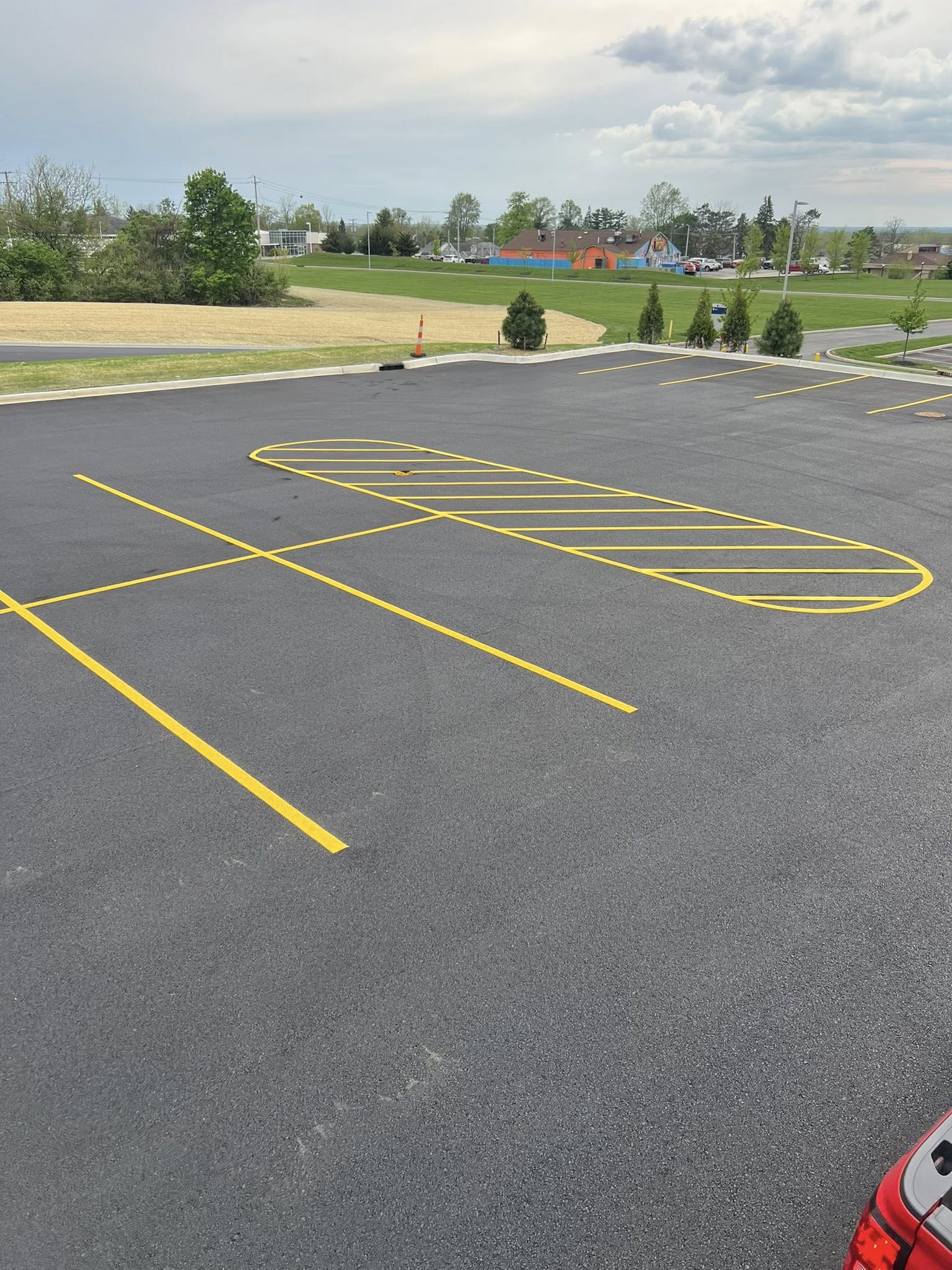
Mastering the Art of Line Striping: Techniques for Flawless Finish Jun 02, 2026
To start, preparation is key in the line striping process. Before any paint touches the ground, the surface must be thoroughly cleaned and prepped. This involves removing dirt, debris, and old paint to ensure the new stripes adhere properly. A power washer can be effective for large areas, while smaller patches may require hands-on cleaning. Once the surface is clean, it is essential to let it dry completely to prevent any paint adherence issues.
Next, planning your layout is critical. Accurate measurement and placement can make all the difference in the final outcome. Use chalk lines or temporary markers to outline the design you plan to stripe. This step not only guides your application but also allows room for adjustments before the paint is applied. Ensuring your layout is straight and aligned with existing lines can help maintain a professional appearance.
The choice of materials also plays a significant role in the final quality of the line striping. At Ronnies Line Striping, we recommend using high-quality, durable paint, specifically designed for long-lasting line striping. This paint is formulated to withstand weather conditions, heavy traffic, and UV rays, preventing premature fading and wear. Selecting the right material ensures your line striping lasts longer and requires less maintenance over time.
Application technique is another critical component. The type of equipment you use can impact the precision and consistency of the lines. Airless line striping machines are commonly used as they provide a consistent flow of paint and are easy to maneuver. Maintaining a steady speed and consistent height from the surface while applying the paint will prevent uneven lines and splatters. Practicing on a smaller section or a spare board can help hone your technique before working on the main area.
Weather conditions also influence the line striping process. Ideal conditions involve moderate temperatures without excessive wind or rain. Extreme temperatures or moisture can affect the paint’s adhesion and drying time, leading to subpar results. Plan to perform line striping during a period with favorable weather conditions to maximize effectiveness.
At the conclusion of your striping job, it is important to allow enough drying time before exposing the freshly painted lines to traffic. This not only prevents damage but also ensures a cleaner finish. Depending on the paint and weather conditions, drying times can vary. Always consult the paint manufacturer's instructions for specific guidance.
Mastering the art of line striping requires a combination of precise planning, quality materials, and refined technique. By following these guidelines, anyone can achieve a flawless finish that enhances safety and aesthetics. At Ronnies Line Striping, we're committed to providing expert service and guidance to ensure your striping projects are executed to perfection. Whether you are revitalizing a parking lot or marking out a sports field, focus on these fundamental techniques to ensure your lines withstand the test of time.
/filters:no_upscale()/filters:format(webp)/media/6a2467e4-4f1e-4d84-96c2-eadf1fe30008.jpeg)